
Name into Flowers: The Ultimate Guide to the Viral Floral Language Trend
Have you ever wondered what your identity would look like if it were stripped of letters and replaced with petals? The “name into flowers” trend has taken the digital world by storm, turning cold typography into vibrant, symbolic art. This isn’t just a fleeting social media filter; it is a modern reimagining of floriography—the Victorian art of communicating through floral arrangements.
In this comprehensive guide, we will explore the roots of this trend, the psychological appeal of botanical identity, and a step-by-step breakdown of how you can translate your own name into flowers to create a personalized digital garden.
The Origin of the “Name into Flowers” Movement
While the trend gained massive traction on platforms like TikTok and Instagram, its heart lies in the ancient desire to find the “self” in nature. Historically, different cultures assigned meanings to plants. The Japanese call it “Hanakotoba,” while the Victorians used “Talking Bouquets” to send coded messages that social etiquette forbade them from saying aloud.
Today, we use algorithms and digital brushes to achieve the same result. By assigning a specific bloom to each letter of the alphabet (e.g., A for Aster, B for Begonia), a name becomes more than a label—it becomes a visual narrative.
Name into flowers Why We Are Obsessed with Floral Identity
Psychologically, humans have an innate “biophilia”—a tendency to seek connections with nature. When you turn your name into flowers, you are participating in a form of digital self-care.
-
Personalization: In an age of mass-produced content, a floral name is unique to you.
-
Symbolism: It allows you to adopt the “traits” of the flowers associated with your name.
-
Aesthetic Appeal: Let’s be honest—a bouquet is more visually pleasing than a standard sans-serif font.
How to Translate Your Name into Flowers: A Step-by-Step Guide
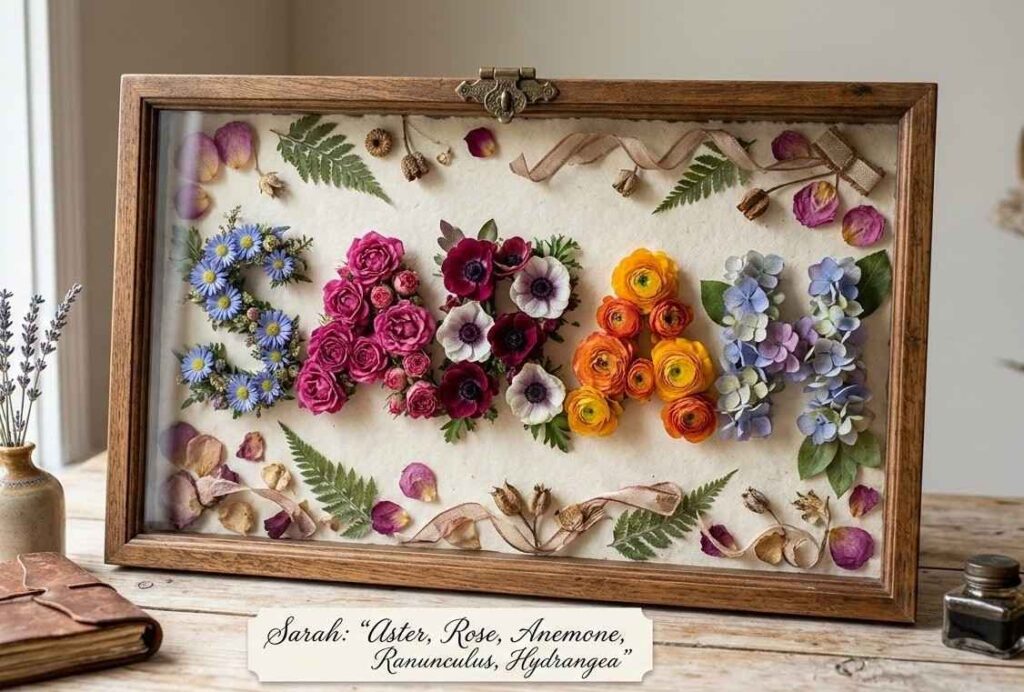
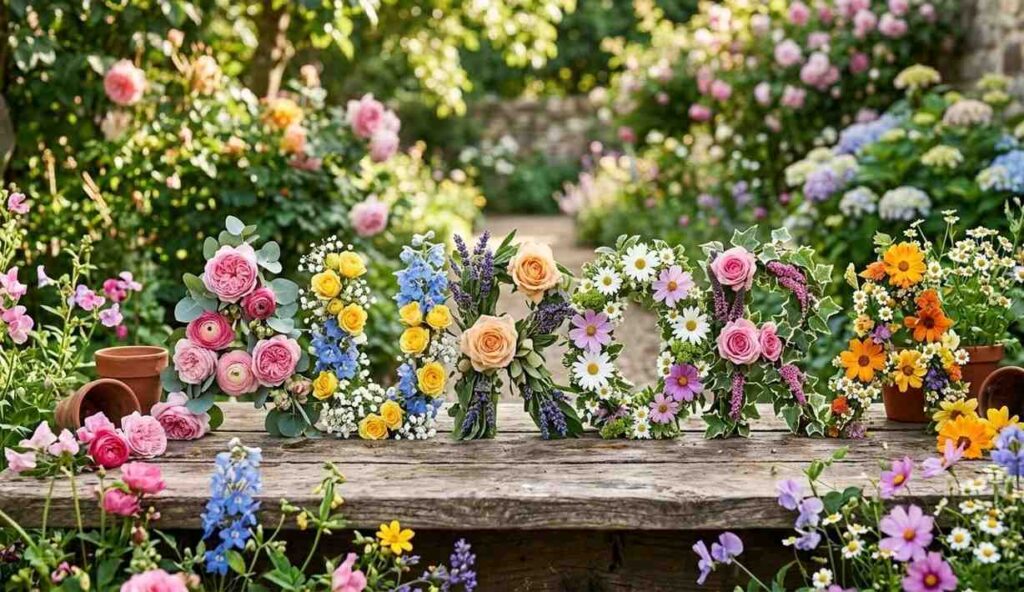
If you want to join the movement, you don’t need to be a botanist. Here is how you can master the process using a user-first approach.
Step 1: Choose Your Floral Alphabet
To turn a name into flowers, you first need a key. Many creators use a standardized “floral language” keyboard where
-
A = Anemone (Sincerity)
-
B = Bellflower (Gratitude)
-
C = Carnation (Distinction)
-
L = Lily (Purity)
Step 2: Select Your Medium
Are you looking for a static image, a live wallpaper, or a physical print? Most users utilize apps like “Floral Language” or “DIY Bouquet” to generate these visuals. If you are tech-savvy, using a layered design tool like Canva or Procreate allows for more “E-E-A-T” (Experience, Expertise, Authoritativeness, and Trustworthiness) in your creative output.
Step 3: Arrange for Aesthetics
Don’t just line the flowers up. A true floral name should look like a professional arrangement. Place taller “flowers” (like foxgloves or delphiniums) in the back and smaller fillers (like baby’s breath) in the front to create depth.
Meaning Behind Popular “Name Flowers”
To ensure your name in the creation of flowers carries weight, you should understand the semantic relationships between the blooms you choose.
Name into Flowers: The “A” List: Ambition and Adoration
If your name starts with A, you likely lead with Amaryllis (Splendid Beauty) or Aster (Patience). These flowers signal a grounded yet striking personality.
The “M” List: Mystery and Magic
Names like Maya or Michael often feature Mimosa (Sensitivity) or Magnolia (Dignity). These are “heavy” flowers in the floral language, signifying someone with a deep, authoritative presence.
The “S” List: Strength and Serenity
Sunflowers are the go-to for S names. Semantically, the sunflower represents loyalty and longevity. Pairing it with a Snapdragon (grace under pressure) creates a powerful personality profile.
Technical Tips for Digital Floral Design
When creating your bouquet, keep these NLP-friendly design principles in mind:
-
Color Harmony: Use complementary colors to ensure the “text” is readable to the human eye.
-
Contrast: Darker backgrounds make the floral “letters” pop.
-
Proportion: Ensure the “S” flower isn’t twice the size of the “M” flower unless that is a deliberate stylistic choice.
Common Pitfalls to Avoid
Many people try to turn their names into flowers and end up with a cluttered mess.
-
Avoid Overcrowding: If you have a long name like “Christopher,” don’t try to fit 11 massive blooms in one row. Group them into a circular wreath instead.
-
Ignore the “Meanings”: Don’t just pick a flower because it starts with the right letter. If the flower’s meaning contradicts your personality (e.g., using a yellow hyacinth, which symbolizes jealousy), it ruins the “trustworthiness” of your personal brand.
Frequently Asked Questions (FAQs)
What is the best app for turning my name into flowers?
The most popular apps currently are “Floral Language DIY” and various TikTok filters. However, for a high-quality, high-resolution version, manual assembly in a graphic design app is recommended.
Can I use this for a tattoo design?
Absolutely. Many people use the name-into-flowers concept to create “birth month bouquets” or hidden-name tattoos. It provides a level of privacy and artistic flair that a standard script name lacks.
Is there a specific “official” floral alphabet?
No. While there are traditional Victorian lists, the modern trend is flexible. You can create your own alphabet based on flowers that have personal significance to you or your heritage.
How do I make the bouquet look more realistic?
Focus on the “stems.” A common mistake is having flowers “floating” in the air. Connect them to a central point or place them in a digital vase to ground the image.
Can I do this with my pet’s name?
Yes! Turning a pet’s name into flowers is a beautiful way to create custom pet memorials or social media tributes.
Pingback: White roses' meaning: Symbolism, History & Occasions -